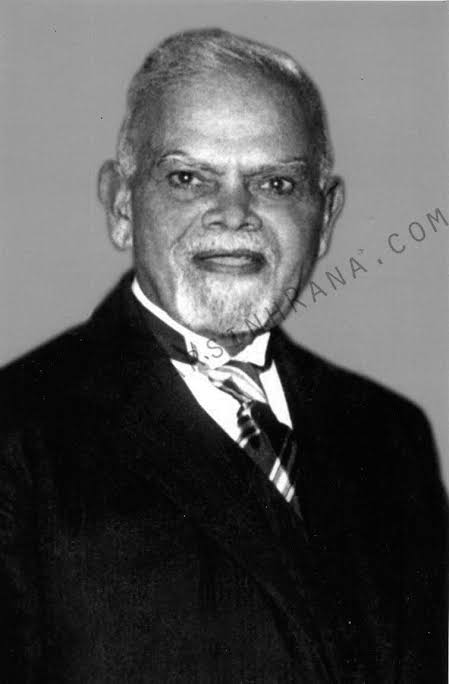
There are no blogs written on S. R. Rana. Only his website had information. I want to take this initiative to write a piece. So here it is. I hope you enjoy reading it further as I enjoyed narrating it about him.
HELPING NATURE OF S. R. RANA:
A translator, traveller, writer, journalist, jeweller, lawyer and political activist during the Indian Independence Movement who wore many crowns of several professions during his time. S. R. Rana was an Indian revolutionary who helped many other political activists like Madan Lal Dhingra by contributing "his pistol" to murder Curzon Wyllie in 1909.
It was S. R Rana who enabled Vinayak Damodar Savarkar to publicise Savarkar's banned novel "The Indian War of Indian Independence" which voiced India's rise as united nationalism in 1857. Rana aided him in his (Savarkar) "Marseille Asylum Case" in the Permanent Court of Arbitration, the Hague in 1910. In "Marseille Asylum Case", on the excursion back to India, V. D. Savarkar attempted to escape and explore the asylum in France while the ship arrived in Marseilles. The French Port officials handed him to the British in contravention of International Law. On return to India, Savarkar had been adjudged 2 life terms of custody and moved to the Cellular Jail in Andaman and Nicobar islands.
Rana supported Senapati Bapat to study "Making of Bombs" in Moscow which is known to be one of the largest city and the capital of Russia.

He facilitated Subhash Chandra Bose to address the audience on "German Radio" which was also known as "Azad Hind Radio" which was a propaganda radio service that commenced in 1942 whose prime objective was to stimulate and empower Indians to mutiny for the Axis powers. The radio was broadcasted in Hindi, Tamil, English, Bengali, Marathi, Punjabi, Pashto and Urdu.
S. R. RANA AIDED TO COLLEGES AND UNIVERSITIES:


Rana assisted in the establishment of "Banaras Hindu University". In the December 1905 issue of "The Indian Sociologist", he endorsed 3 scholarships for Indian students each was worth Rs. 2000 in the memory of Maharana Pratap, Chhatrapati Shivaji Maharaj and Akbar-The Great and also proclaimed several scholarships and travel fellowships.
In 1905, he served as the Vice President of "The Indian Home Rule Society" in London originated under the patronage of Shyamji Krishna Verma.
S. R. RANA WITH BHIKAJI CAMA:

The proliferation of the "Indian Home Rule Society" was known as the "Paris Indian Society" which established in Paris in the same year (1905).
"Paris Indian Society" was co-founded by S. R. Rana alongside Bhikaji Cama (who worked as a personal assistant of Dadabhai Navroji) and Munchershah Burjoji Godrej. With Cama, he developed close connections with French and Russian Socialist Movements.
And with her (Madam Bhikaji Rustom Cama), he attended the "2nd Sociologist Congress Conference" at Stuttgart where the "First Flag of Indian Independence" was presented by Madam Bhikaji Rustom Cama on 18th August 1907 which symbolises India's power and sovereignty to the International world. That heroic act still signifies the bold nature of Madam Cama as rare Indian female freedom fighters who were less in number than Indian male freedom fighters.
That act of Cama stimulated Rana to become a regular philanthropist to "Bande Mataram" (a newspaper publicised by Madam Cama from Paris) and "The Talvar" (Indian Nationalist Periodical Weekly named after Madan Lal Dhingra from Berlin whose editorial obligations lay with Virendranath Chattopadhyaya). These periodicals were smuggled into India.
INITIAL LIFE OF S. R. RANA:
Born on 10th April 1870 at Kanthariya village of Limbidi State (British India), S. R. Rana married Sonba from Bhingada village and the couple had 2 sons Ranjitsingh (who died in 1914 for whom Rana journeyed India in 1947 to perform bone immersion rites at Haridwar) and Natwarsinh.
EDUCATIONAL LIFE AND CONTACT WITH OTHER POLITICAL REVOLUTIONARIES:
During high school life in Rajkot, Mohandas. K. Gandhi was his classmate. In 1891, Rana accomplished his matriculation. In 1898, he studied at Elphinstone College alongside a Baccalaureate degree from Bombay University. At the same time, Rana also studied at Ferguson College in Pune. From Ferguson College, he came in contact with Lokmanya Tilak and Surendranath Banerjee.
When he volunteered at the "Indian National Congress Conference" in 1895, Rana incited to assemble the "Home Rule Movement".
TRAVELLING TO LONDON AND THE FIRST MOMENT OF CONTACT WITH SHYAMJI KRISHNA VERMA AND MADAM CAMA:
Rana finished off his studies in India, then to study for Barrister Degree, he went to London. In London, Rana for the first time met them both and made contact with Shyamji Krishna Verma and Madam Bhikaji Rustom Cama. Rana was proved to be an instrumental element in the foundation of the "Indian House of London". That foundation event proves how much S. R. Rana highly got influenced by Indian Home Rule Movement I presume.
In 1899, he left London after putting up with his Barrister Degree examination and moved to Paris.
S. R. RANA IN PARIS: TRANSLATOR AND JEWELLER CAME INTO ROLEPLAY AND CONTACT WITH LALA LAJPAT RAI:
Rana as translator served to Jivanchand Uttamchand who was a jeweller by occupation from Cambay who was in Paris at that time for the "World Trade Show". He became an expert and proficient in the jewellery trade and initiated a "jewellery business trading in pearls".
He had resided at 56, Rue La Fayette street in Paris. It was at that time he got associated with Lala Lajpat Rai (Author of "Unhappy India".) who is known to have visited Paris and stayed with the Rana for 5 years.
IN PARIS: RUMOUR OF RANA LIVING IN WITH A WOMAN: ALL ABOUT HER:
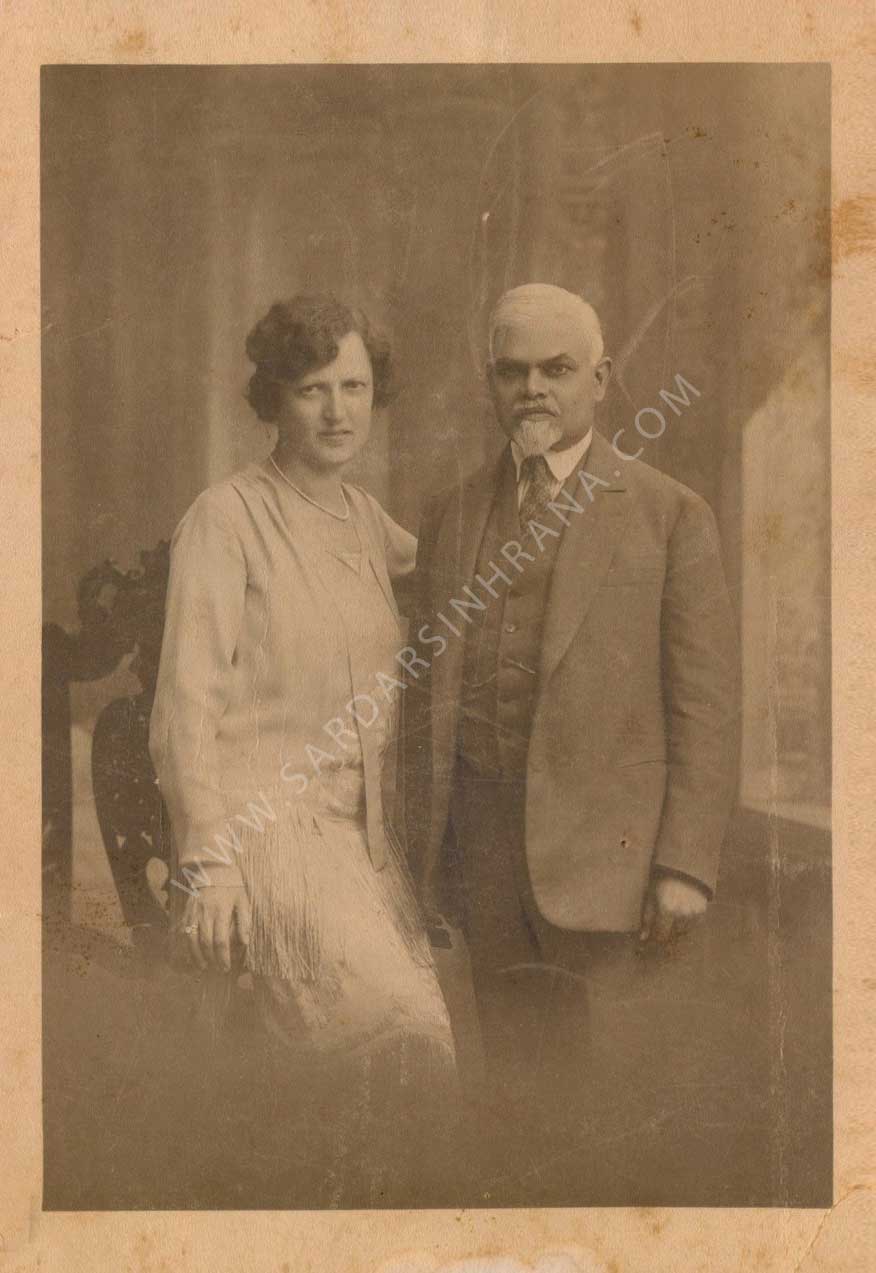
In Paris, there was a rumour which was spread across that Rana used to live with a "German woman" whose name was Recy whom people called "Mrs Rana". At that time, Rana wasn't married to Recy- A German woman. Later on, Rana married Recy in 1904 because Sonba (The first wife of S. R. Rana) told him to do so. The couple (Rana and Recy) had no child from the marriage due to Recy being a cancer patient I assume. Recy (The second wife of S. R. Rana) '"even though being a German citizen"' was prohibited to enter the national borders of France for her cancer operation in 1914 (I presume the year is nowhere mentioned in Wikipedia source) because she was abandoned with Rana and his dying son Ranjitsingh by the French government to Martinique in 1911 (I.e. 3 years before 1914). She died due to cancer in 1931. But when she was alive and married to S. R. Rana and her death "(m. 1904, death. 1931) period", Rana's sons (Ranjitsingh and Natwarsinh) stayed with Rana in Paris. (According to Wikipedia).
The step of Sonba (the first wife of Rana) of remarrying her husband with Recy- A German woman raises some questions like,
"Why did Sonba being "the wife of Rana" tell Rana to marry Recy- A German woman?"
"Why Rana agreed to marry Recy - A German woman?"
"Did Sonba knew that Rana was live with Recy- A German woman? Or Rana kept her in dark about the incident?"
"Was Sonba happy with her decision of marrying off her husband (Rana) with Recy- A German woman?"
"Was that a rash decision? Or an attempt to get more connection of French political revolutionaries in Paris to associate with Indian revolutionaries?"
What were the reasons for that particular situation? What kind of unusual situation and strange decision it was? These are the topmost questions.
"Wikipedia is speechless about situational local reasoning." It's an unfortunate thing that history textbooks and notes talk less about Rana. So S. R. Rana remained unknown among us and his married life is also puzzled with Somba's strange decision of remarrying Rana to another woman. And Rana compiled it.
MY COLLEGE HISTORY NOTES:
There is a mention that Rana married a "French woman" whose name was not mentioned and he settled with her in Paris but finalized marriage date and year are not given (In some history notes which was provided to me by my college).
"A German woman whose name was Recy according to Wikipedia source is not mentioned and very little mention is found about S. R. Rana in my college history notes which is in the title called 'Revolutionary Activities (Aboard)'".
CONCLUDING PART OF DEBATE:
There are similarities between a German woman name Recy and a French woman which I'm mentioning are the same.
REVOLUTIONARY ACTIVITIES CURTAILED IN PARIS, FRANCE:
The movements of the Paris Indian Society were reduced under the French Surete and finally suspended in 1914 when World War-1 initiated and climaxed in 1918.
SUMMARISING THE TURNING POINTS OF RANA'S LIFE:
Very before World War I, Rana political and personal life changed drastically. First started with rumour and marriage with Recy and abandonment from the French government. Then the death of Ranjitsingh (Rana's 1st son). And the revolutionary activities stopped and suspended on the initiation of World War I. The whole span from 1904 to 1914 can be summarised as "Turning points of Rana's life for better or worse".
After 9 years I.e. abandonment period from 1911 to 1920 by the French government. In 1920, Rana finally returned to enter France. But what happened thereafter is not mentioned whether he was caught or allowed to enter France is not known. He was restricted to enter India and England due to his massive contribution and active participation in the revolutionary actions.
From 1920-1947, history is silent about Rana's life events except the death of Recy in 1931 (as reasons mentioned earlier.)
In 1947, He visited India (As the reasons mentioned earlier). On 23 April 1948, he returned to Paris.
CHEVALIER'S AWARD WINNER:

In 1951, Rana was awarded the Chevalier award which is also known as Legion of Honour (in French: Légion d'honneur and German: Legion Der Ehre) is the highest French order of merit, both military and civil. Légion d'honneur, inaugurated in 1802 by Napoleon Bonaparte, has been possessed by all later French governments and régimes.
HIS DEATH:
After 7 years, in 1955 he enclosed his jewellery business and moved back to India as soon as he realized his deteriorating health conditions. After that, he had a stroke too. He took his last breath on 25 May 1957 at Circuit House of Veraval (Now in Gujarat).
Honours to S. R. Rana after death:
FOUND ON THE OFFICIAL WEBSITE OF S. R. RANA: LETTERS BY RABINDRANATH TAGORE TO S. R. RANA:
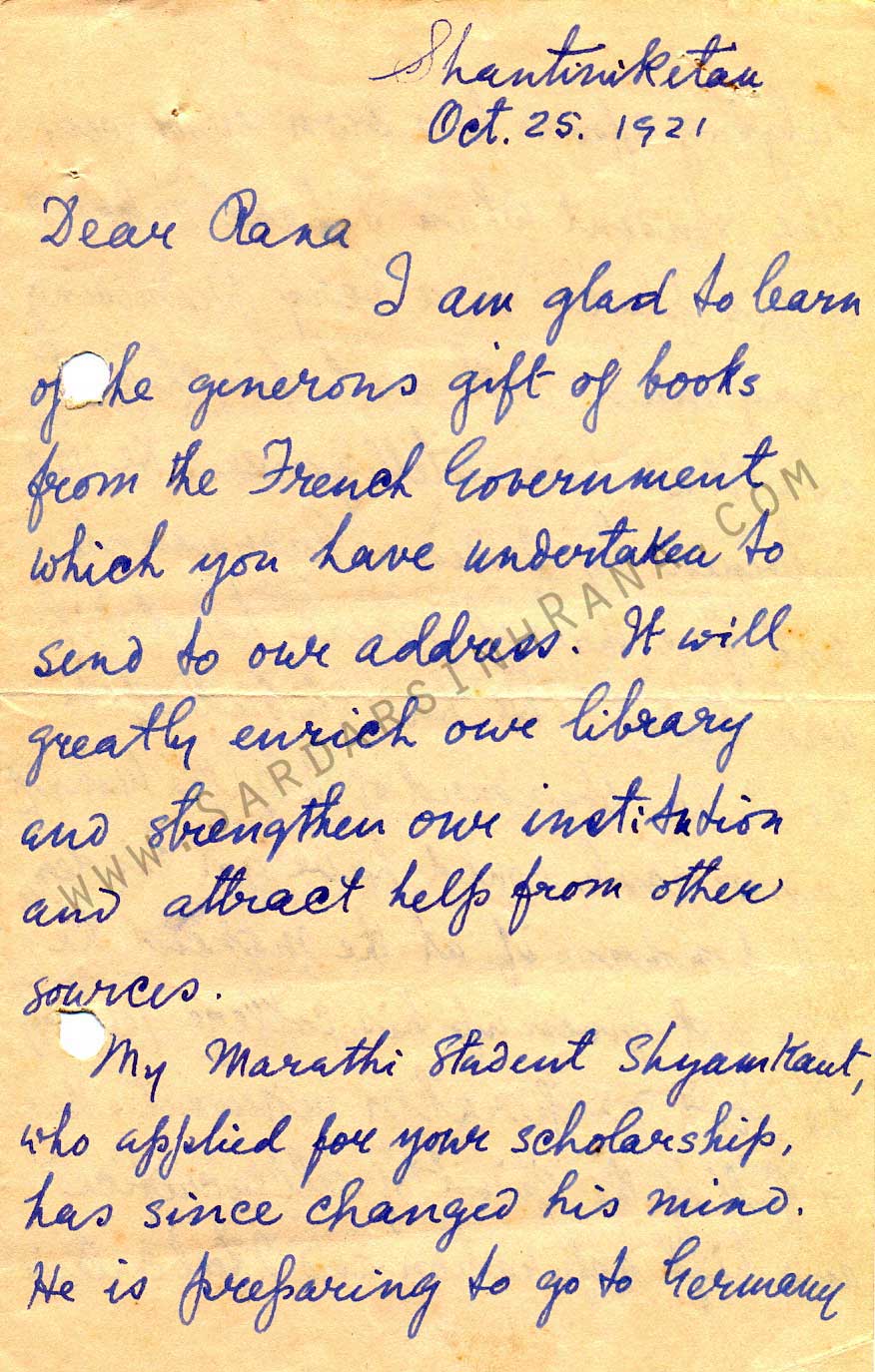

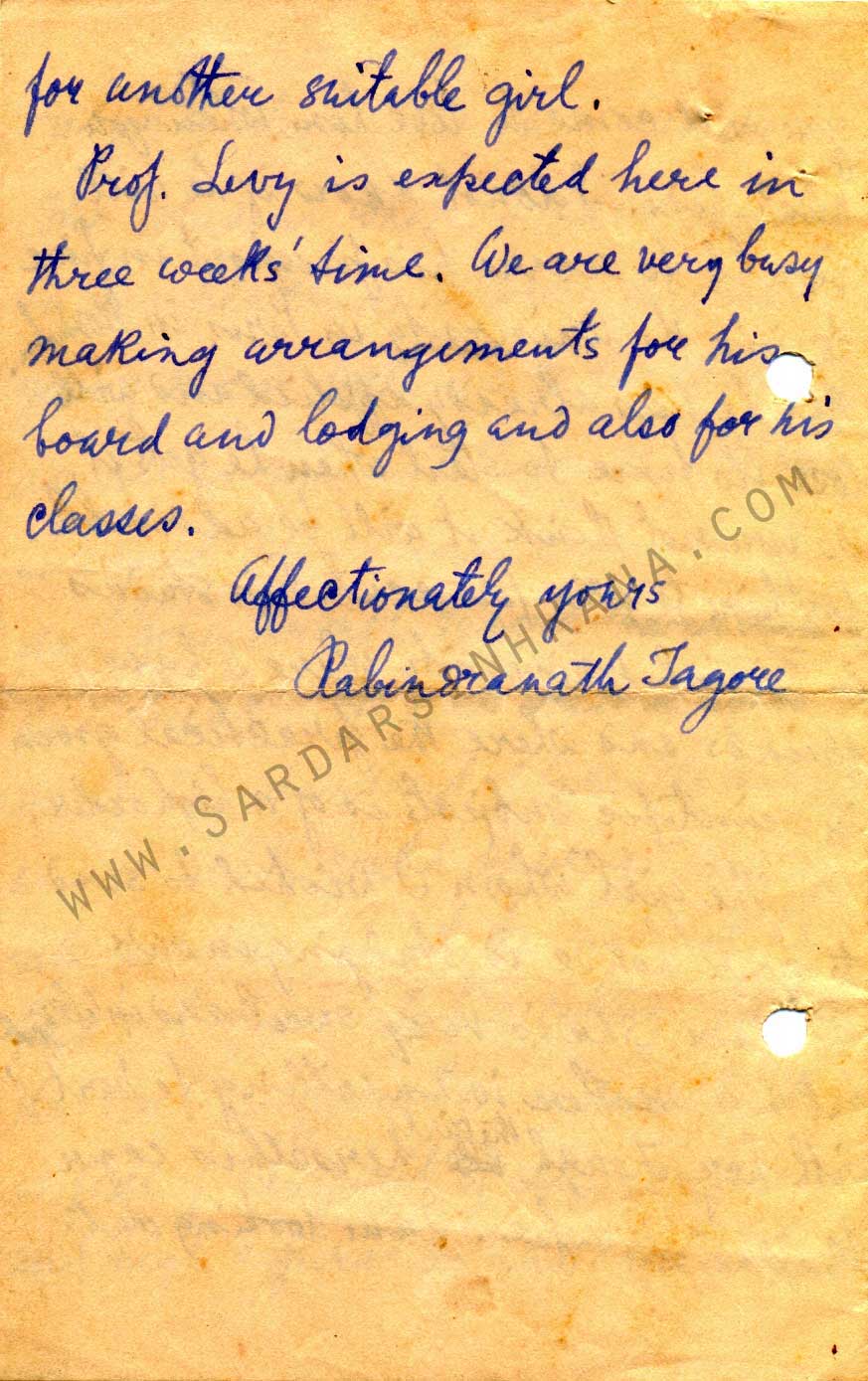
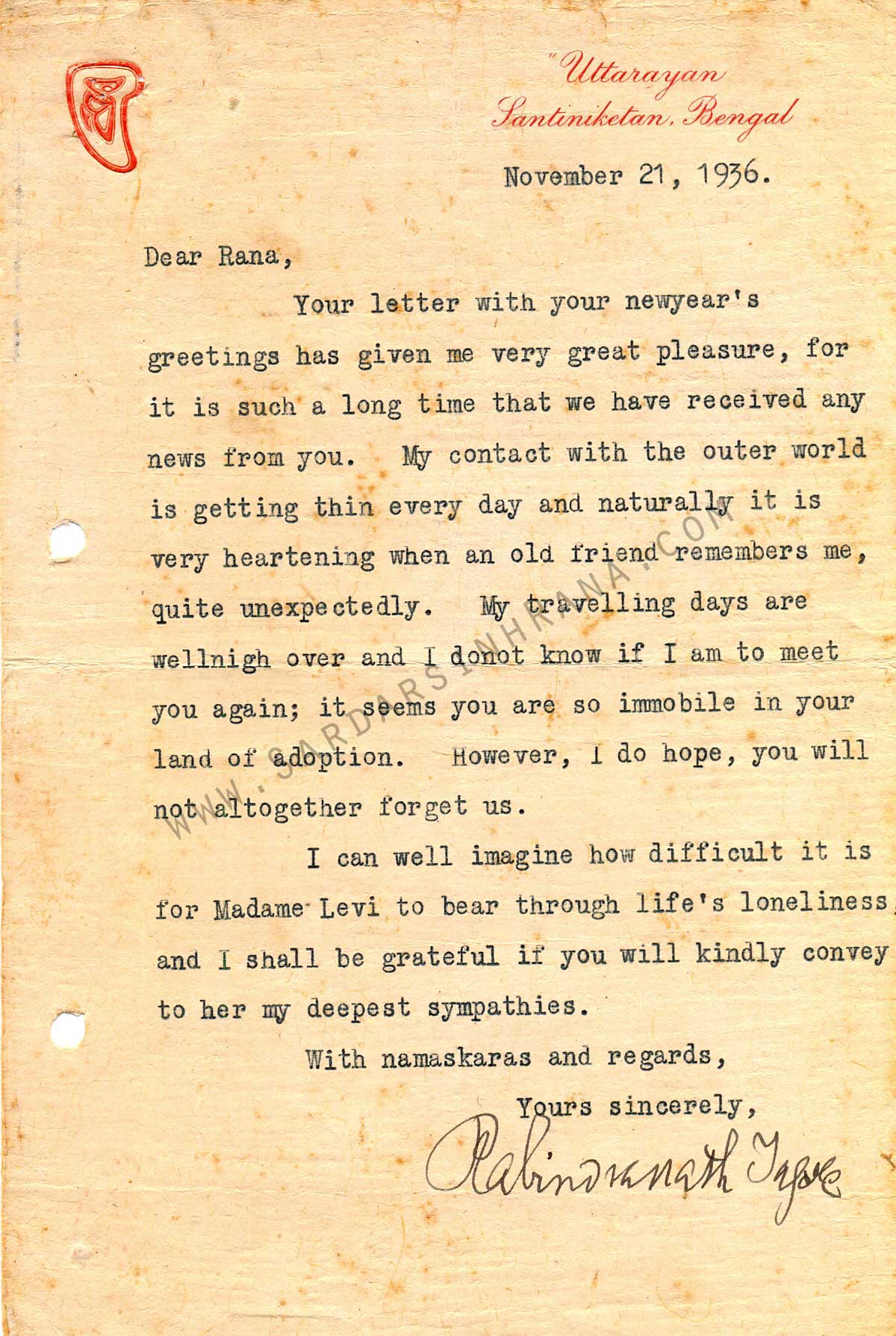
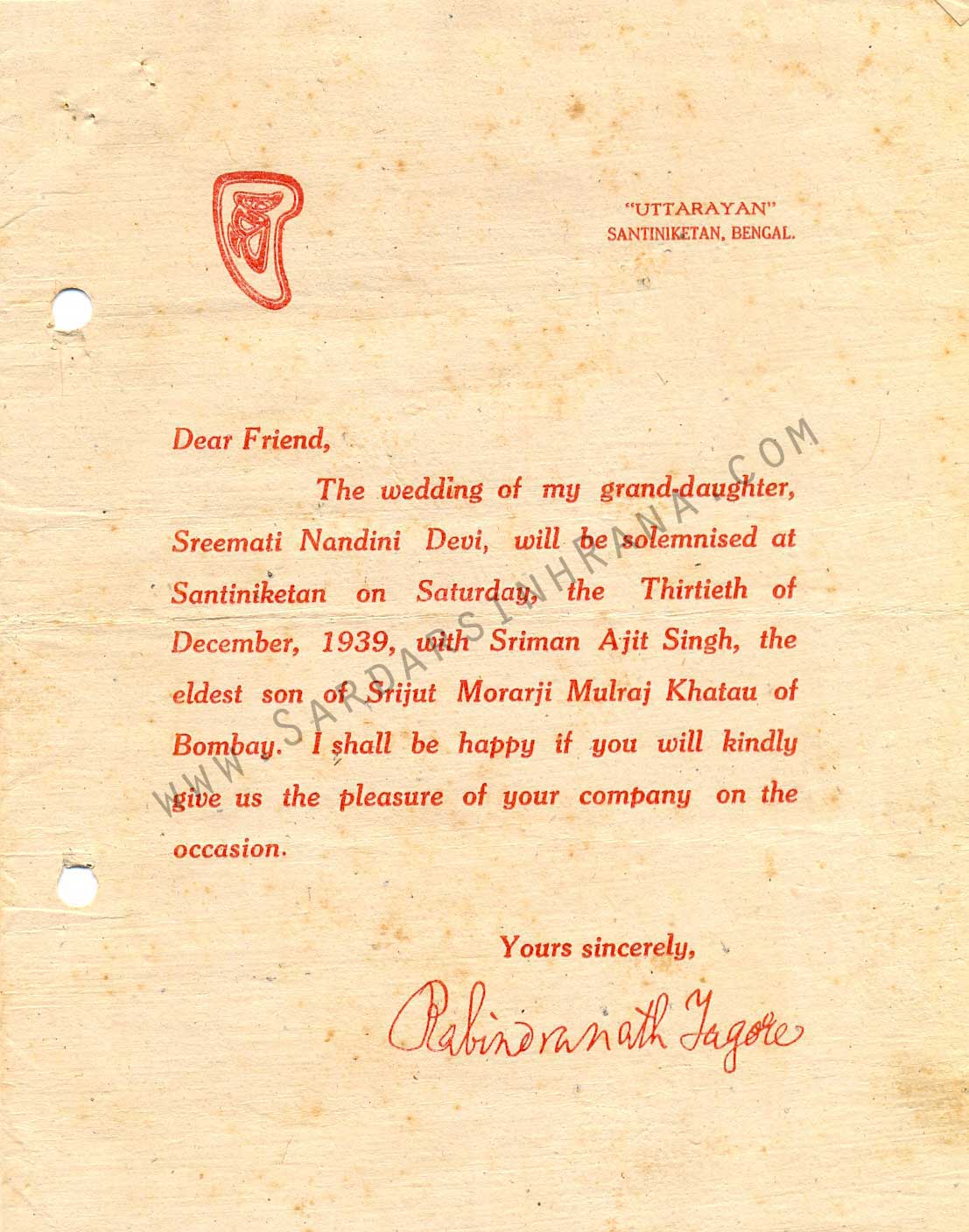
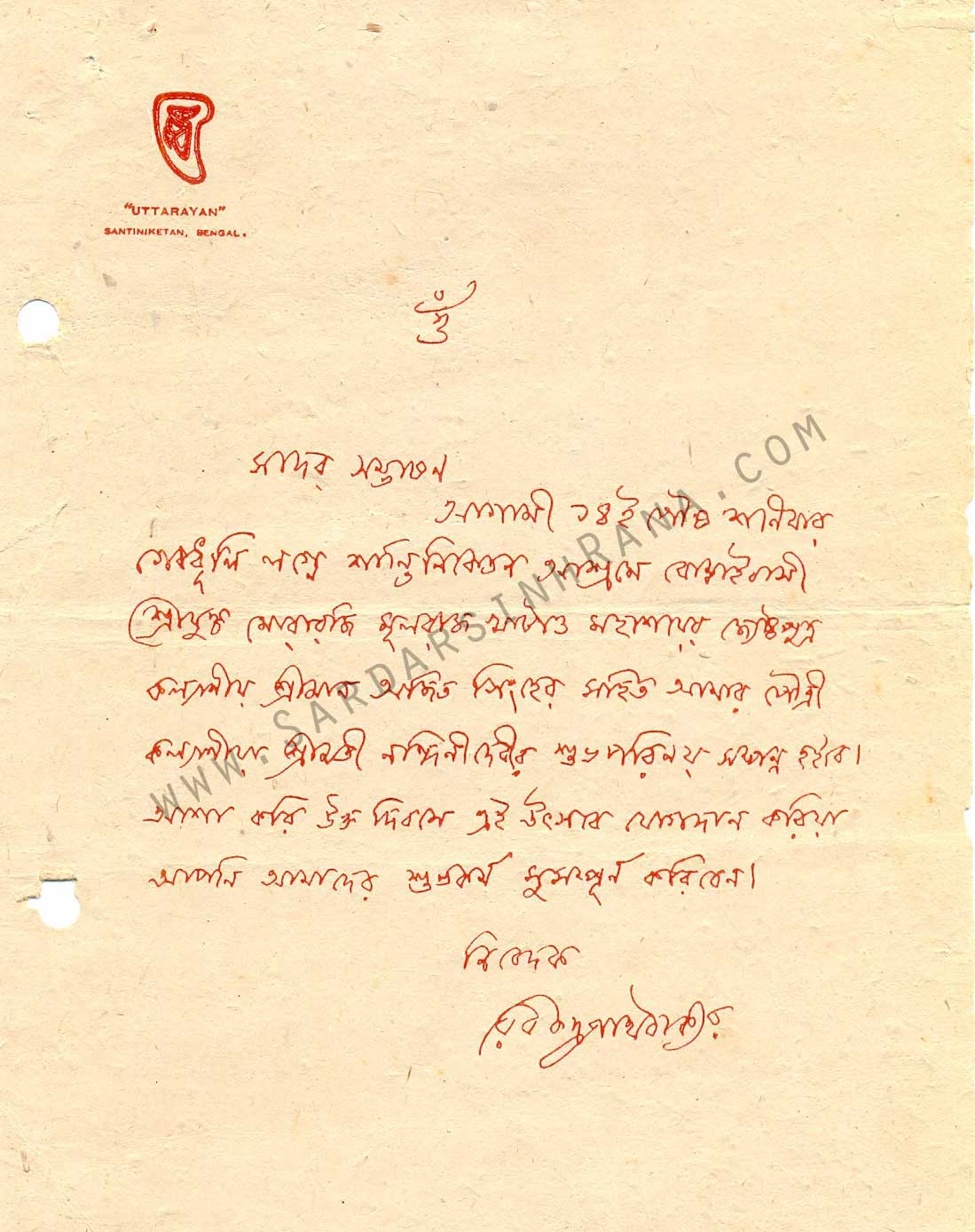
Being a close friend of Rabindranath Tagore, Rana arranged a meeting with Professor Sylvain Levy and Romaine Roland with Tagore. As an outcome, Shanti Niketan- A dream project of R. Tagore transformed into reality which was the first attempt in the field of co-education.


His silhouettes are placed in the Gujarat Legislative Assembly and his place of demise in Veraval.
Cited sources:



Write a comment ...